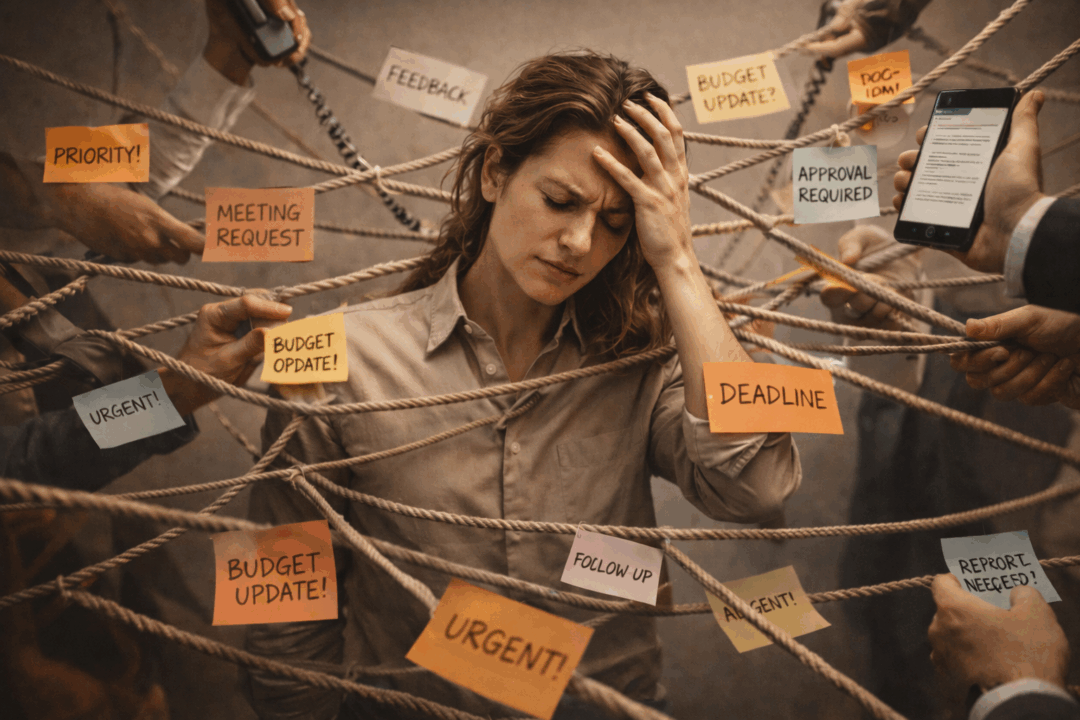
In recent years, SAFe has become the lightning rod for criticisms of agile at scale. From startup veterans to enterprise reformers, the refrain is familiar: “The first law of scaling is: don’t.” The concern is understandable. Many SAFe implementations suffer from what you might call cargo culting: rigidly adhering to rituals and structures without understanding their purpose. Process becomes a proxy for progress. Agility turns into bureaucracy. Teams end up with more friction than flow.
But here’s the thing: that’s not a SAFe problem. That’s an implementation problem.
The real issue isn’t scale. It’s the absence of product thinking
Most SAFe implementations I encounter are delivery machines. They’re good at coordinating work across teams, managing dependencies, and hitting PI objectives. What they’re less good at is asking the harder questions: Are we building the right things? Do we have a clear sense of what our products actually are and who they serve? Are we organised around the flow of customer value, or around internal functions that happen to use agile terminology?
This is where many organisations get stuck. They’ve invested heavily in SAFe as a coordination mechanism, and it works, up to a point. But coordination without direction is just organised busyness. Without product thinking at its core, SAFe becomes a sophisticated way of building the wrong things faster.
Enter SAFe APM
The SAFe Agile Product Management course (SAFe APM) doesn’t fix SAFe’s reputation problems. But it does something more useful: it introduces product thinking as a first-class citizen within a SAFe context. And that turns out to matter quite a lot in practice. The training offers many practices from product management that can be woven into SAFe (see figure 1).
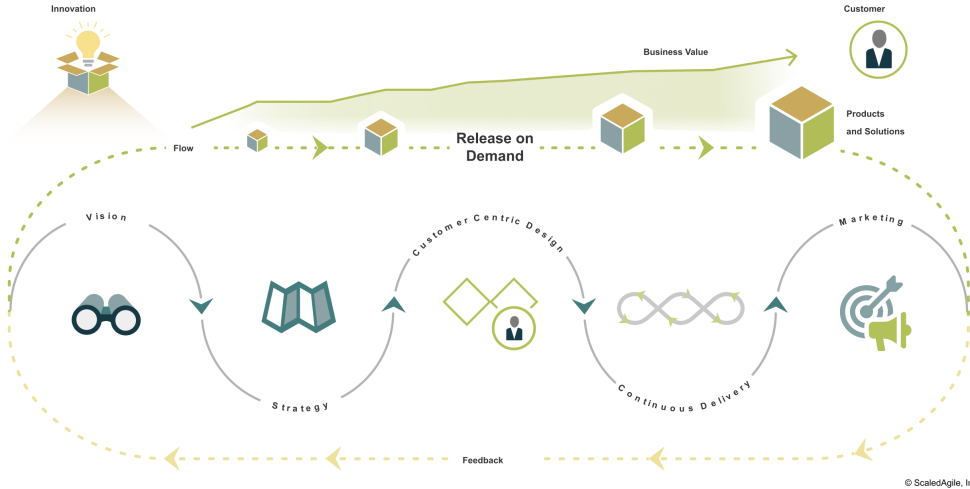
Figure 1: how SAFe APM argues innovation should be built into organisational processes
Teaching the course, some of the most valuable moments have come not from the curriculum itself, but from what the curriculum surfaces. Working through value streams forces teams to ask whether their current structure actually reflects the flow of customer value, or just mirrors the org chart. Exercises around product definition reveal how often organisations lack a shared understanding of what their products are, let alone who they’re for. And the strategic positioning work creates space for conversations about why the product exists in the first place, conversations that often haven’t happened at all.
These aren’t revolutionary insights. But in organisations that have been heads-down in delivery mode, they can be genuinely clarifying.
SAFe as a lever for change
One thing that surprises people is that SAFe, for all its presupposed rigidity, can actually be a useful lever for making change. It has executive buy-in, established rituals, and a shared language that spans teams. If you can introduce product thinking into those rituals rather than alongside them, you have a much better chance of it sticking. SAFe APM does exactly that: it doesn’t ask organisations to abandon what they’ve built, it asks them to use their framework more purposefully.
That’s not a small thing. Organisations that have spent years and significant budget implementing SAFe are not going to throw it out because a consultant tells them product thinking is important. Meeting them where they are, and showing them how to get more out of what they already have, is a far more productive conversation.
It’s not all doom and gloom
SAFe gets a lot of things wrong, or at least invites a lot of wrong implementations. But written off entirely, it leaves a lot of organisations without an immediately accessible path forward. SAFe APM won’t transform a feature factory overnight. But it can open a door: to clearer product definitions, more honest conversations about value, and a way of working that connects strategy to delivery in a language the organisation already speaks.
Getting started
If you’re working in a SAFe environment and want to introduce more genuine product thinking, these are the conversations worth having that are also featured in the SAFe APM training materials:
🎯 Define your products clearly. Align teams and stakeholders around a shared understanding of what the product is, who it serves, and why it matters. This sounds obvious. It rarely is.
🔁 Organise around value streams, not functions. Ask whether your current structure reflects the flow of customer value or just mirrors the org chart. The answer is often uncomfortable and always useful.
📈 Shift from output to outcomes. Move the conversation from “what are we building” to “what change are we trying to create.” Define measurable outcomes tied to customer impact and business goals.
🔍 Build feedback loops into the flow. Make learning a continuous part of the process rather than something that happens at the end of a PI. Customer insight and experimentation belong in the rhythm of delivery, not outside it.
🧭 Position your product strategically. Understand how your product fits within the broader business model and organisational goals. Product work disconnected from business strategy is just activity without clear business value.
If you’d like to talk through what introducing product thinking could mean for your organisation, feel free to get in touch.